Physical Address
304 North Cardinal St.
Dorchester Center, MA 02124
Physical Address
304 North Cardinal St.
Dorchester Center, MA 02124
Helpful ideas. Squeaky value.
Helpful ideas. Squeaky value.

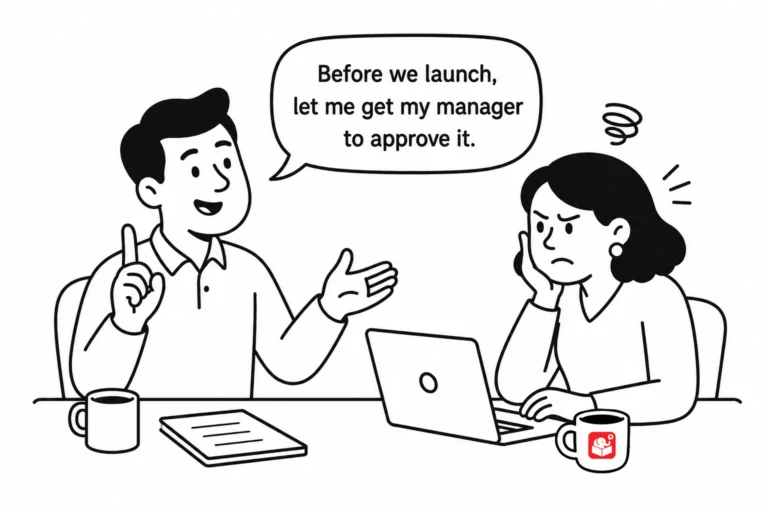
E-learning projects often derail right before launch, and it's rarely because of bad design. The real issue is that the final decision-maker wasn't involved until the end. This post shows you how to fix that before work begins.
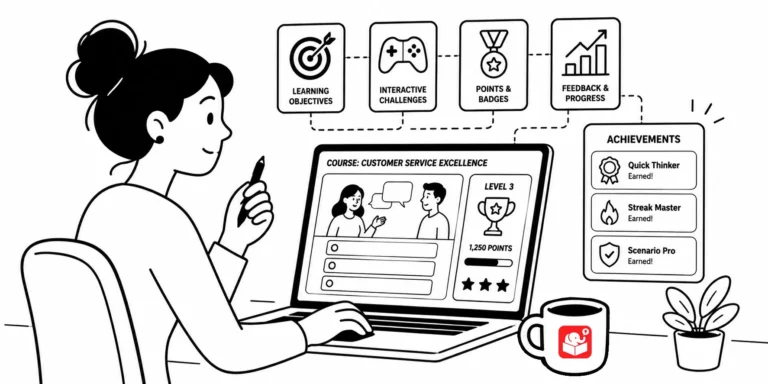
Gamification isn't just building a Jeopardy game. It's using game concepts like points, progress, and rewards to change how learners feel about a course, not just review facts at the end. Here's where to start, what you can build with variables, and a few examples to get your gears turning.
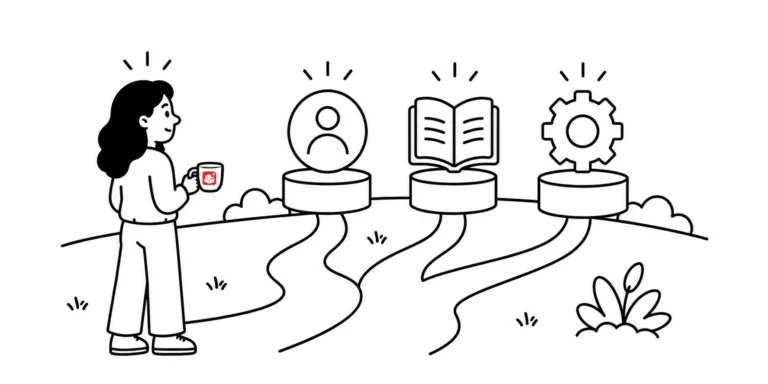
Most people starting out in e-learning make the same few mistakes. Not because they lack skill, but because they haven't learned how e-learning differs from other kinds of training. Three simple shifts in thinking can change that quickly.
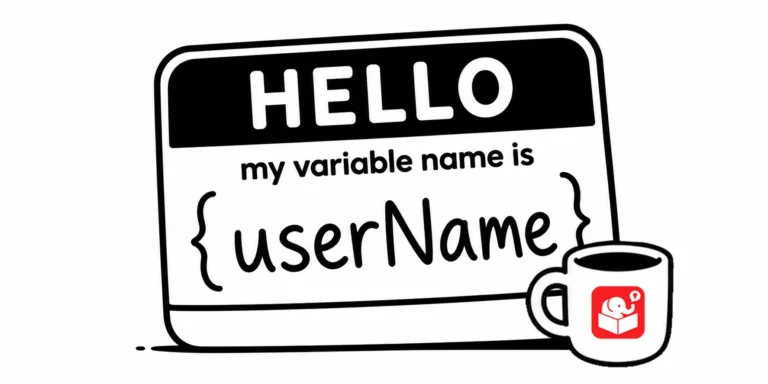
Come back to a Storyline project after six months and you'll see immediately whether your variable naming was thoughtful or rushed. Good names are easy to read at a glance. This post lays out a practical system for getting it right the first time.
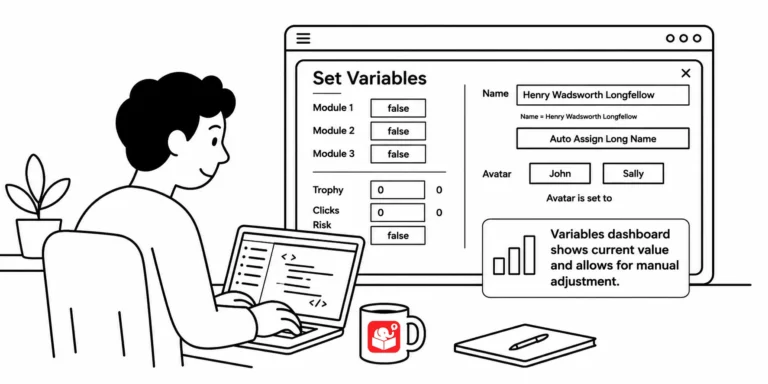
You've built a course with a dozen variables and need to test whether a specific trigger works on slide 20. That means clicking through every screen just to get there. A variables dashboard fixes that, and this post shows you how to build one.
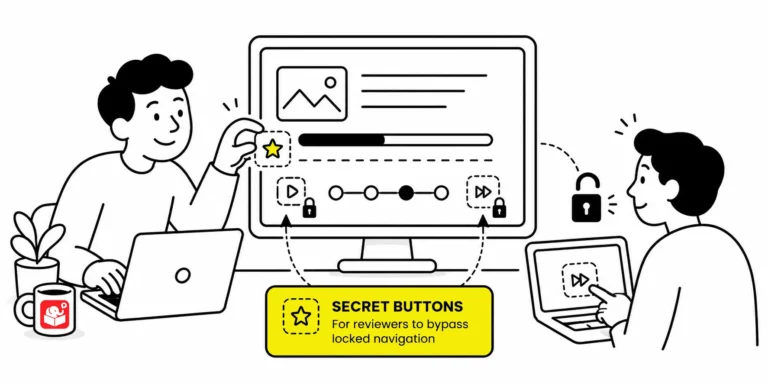
When a course locks every slide, reviewers must sit through narration and animations just to check one thing. That slows down feedback and makes troubleshooting painful. A hidden shortcut menu fixes it without affecting the published experience for learners.
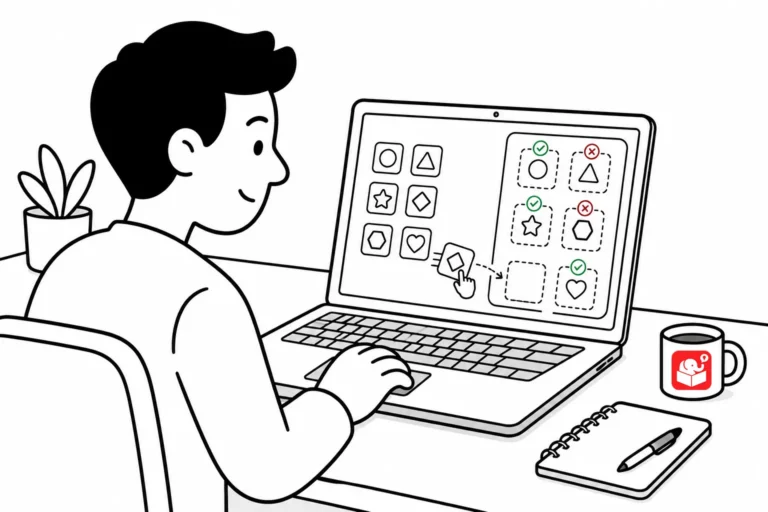
Tired of right-clicking and saving images one at a time? Here are two quick tools that pull every image off a webpage in one shot, so you can grab on-brand visuals for your e-learning courses without the tedious clicking.
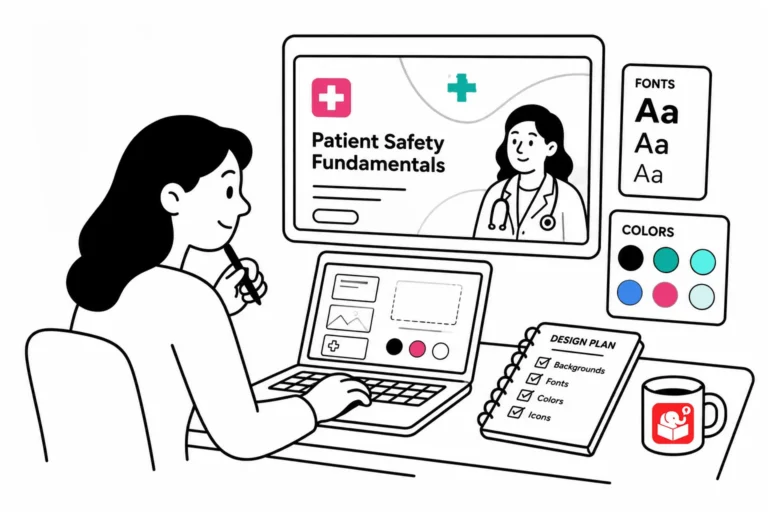
Wasting time hunting for the perfect elearning images? The problem isn't your search — it's letting random images drive your course design instead of planning the look first.
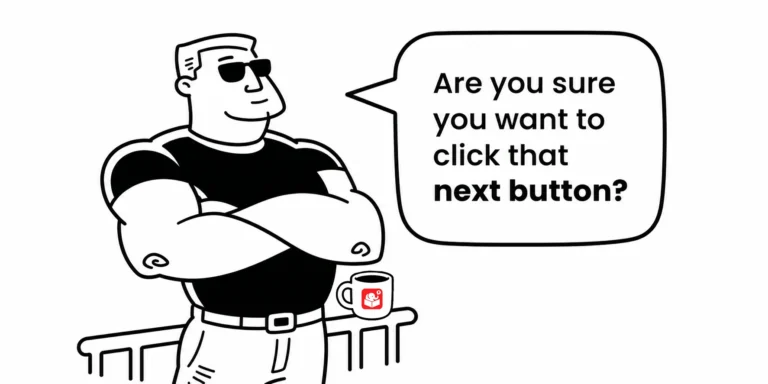
Most e-learning courses have natural pause points where learners need context before they move forward. Gate screens fill that role, and they show up in more courses than you might expect. Planning for them early makes the whole production process faster.
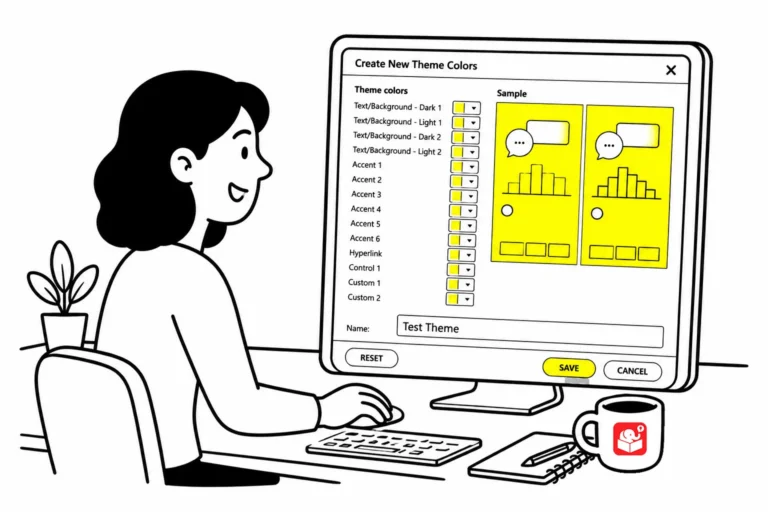
If you've ever updated a theme color and found that half your template didn't change, you've run into the custom color problem. This quick trick makes it easy to spot every object that isn't using a theme color before it becomes a real headache.