Physical Address
304 North Cardinal St.
Dorchester Center, MA 02124
Physical Address
304 North Cardinal St.
Dorchester Center, MA 02124
Helpful ideas. Squeaky value.
Helpful ideas. Squeaky value.


10 free illustrated characters, hundreds of poses,

Good content isn't enough to keep learners engaged. This post breaks down why motivation drops and gives you five practical ways to build it back in, plus a clear look at where AI fits into the process.

A lot of e-learning looks like training but doesn't work like training. If you want people to actually do something differently after the course, you have to build for that from the start. Here's how.
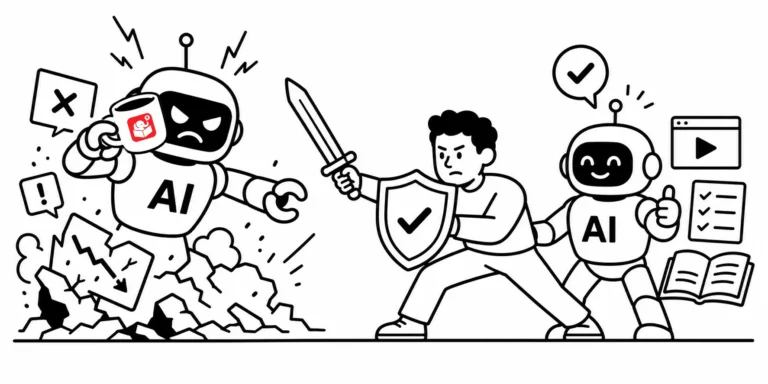
AI can do a lot of things faster than you can. That doesn't mean the results are always worth using. Here's an honest look at where AI actually helps in e-learning development — and where it creates the illusion of progress without the substance to back it up.

7 different illustrated characters in the same image style in multiple poses.
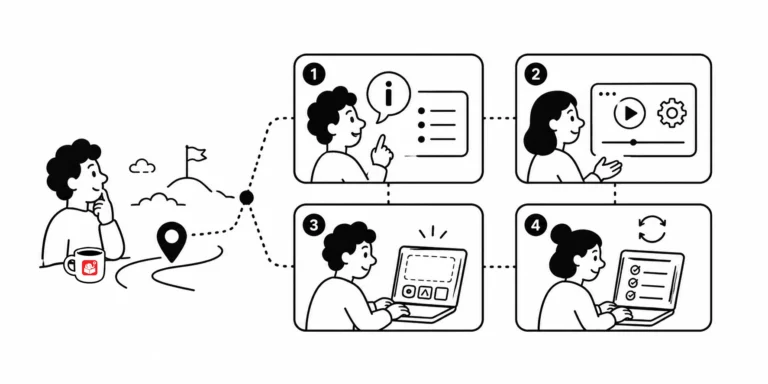
Most e-learning stops at content delivery. The Tell, Show, Do model helps steer courses toward action, but the real gains come from adding deliberate practice and structured review. Each stage builds on the last, giving you a stronger framework for course design.
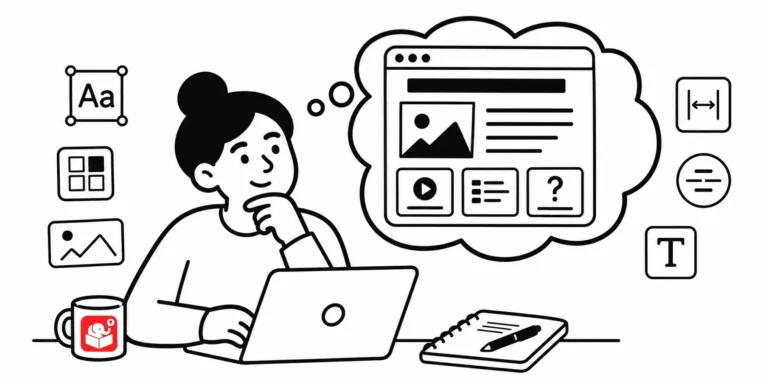
Most e-learning developers aren't trained graphic designers, and that's completely fine. But a few recurring visual mistakes make an otherwise solid course look unprofessional. Here are five of the most common ones and what to do about each.
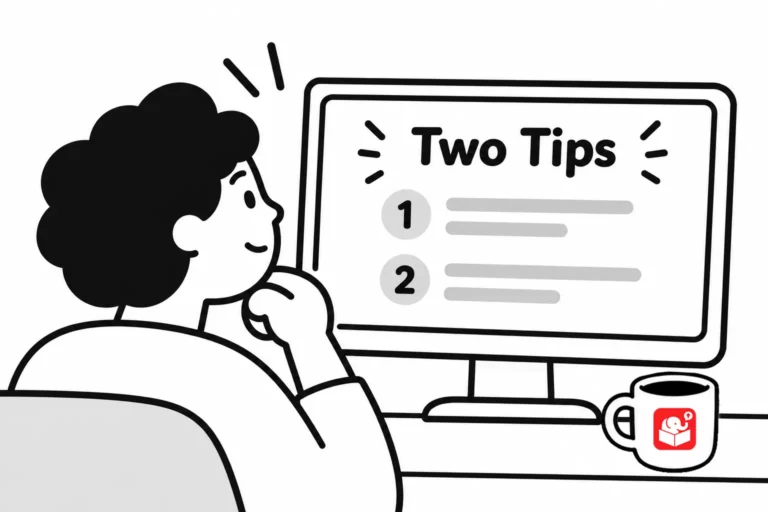
Cluttered slides with competing colors are one of the most common visual design problems in e-learning. Two techniques can fix most of it: strip everything to greyscale and add one accent color, or go the other direction with bold silhouettes. Both are quick to apply and the results show immediately.
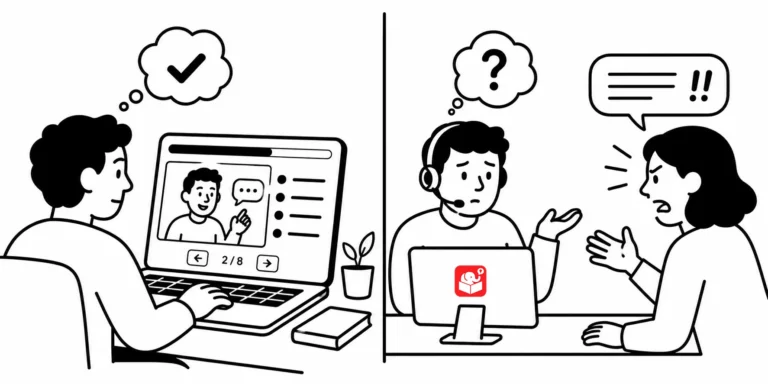
Most organizations treat the e-learning course like the training program. It isn't. People learn all year long, through experience, peers, managers, and yes, the occasional course. Here's how to think about where e-learning fits in that larger picture.
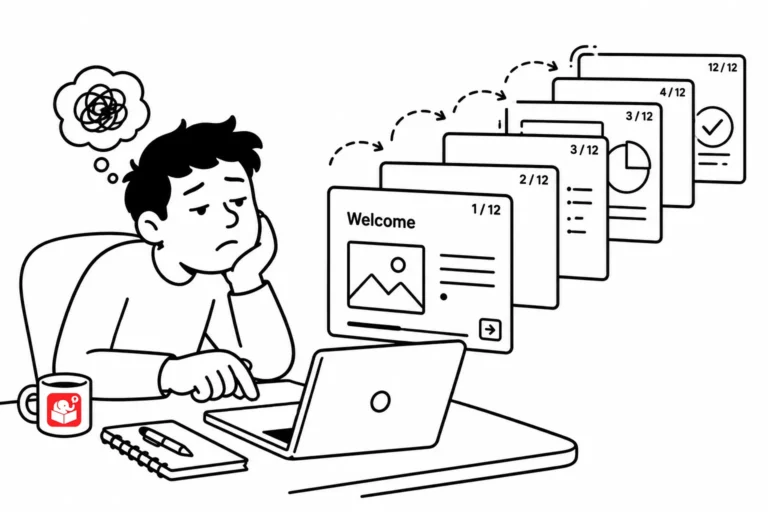
Most e-learning pushes content and calls it training, even when nobody can demonstrate anything different afterward. Here's why content alone isn't a course, and how to push back when someone hands you a slide deck and asks you to turn it into one.