Physical Address
304 North Cardinal St.
Dorchester Center, MA 02124
Physical Address
304 North Cardinal St.
Dorchester Center, MA 02124
Helpful ideas. Squeaky value.
Helpful ideas. Squeaky value.

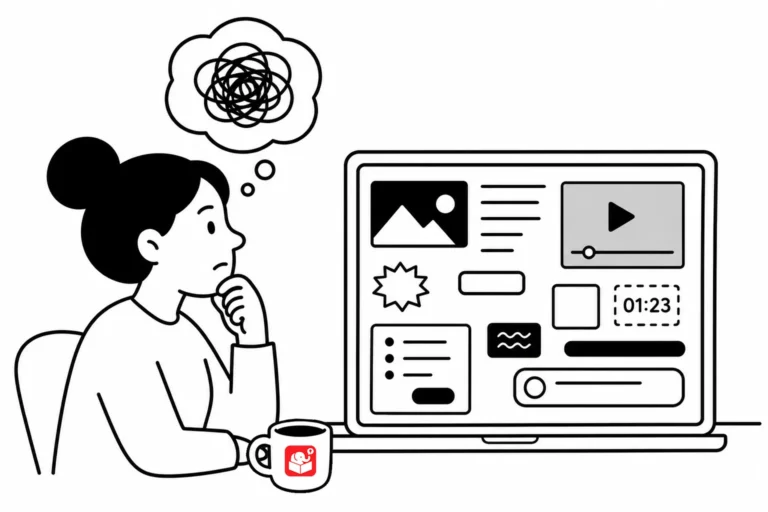
Every visual choice in your course sends a message, whether you planned it or not. This post covers five common design mistakes that quietly undermine the story your course is trying to tell, and how to fix them before learners ever notice.
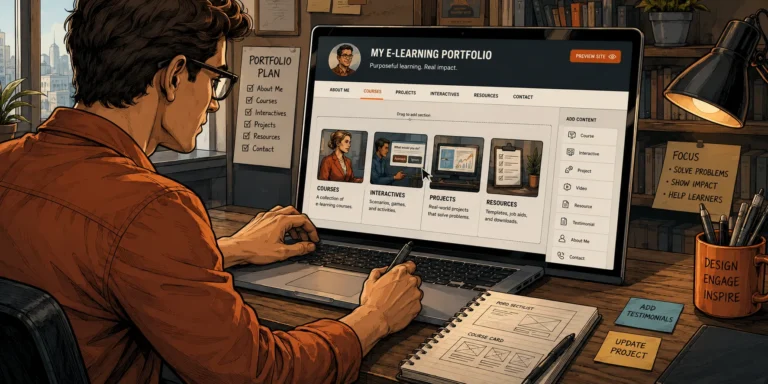
A portfolio grows with your skills, and every course you build is a chance to capture something worth showing. Start with these five types, make the visuals strong, and keep adding as you learn. What's one piece you could add to yours this week?
Your company website is full of images you can use in training. The problem is finding and saving them quickly. Two free tools make that much easier.

10 illustrated characters with hundreds of poses and expressions, a mix of illustration styles, and transparent PNGs ready to drop into courses, presentations, or prototypes.

12 free illustrated characters, hundreds of poses and expressions, transparent PNGs ready to go.
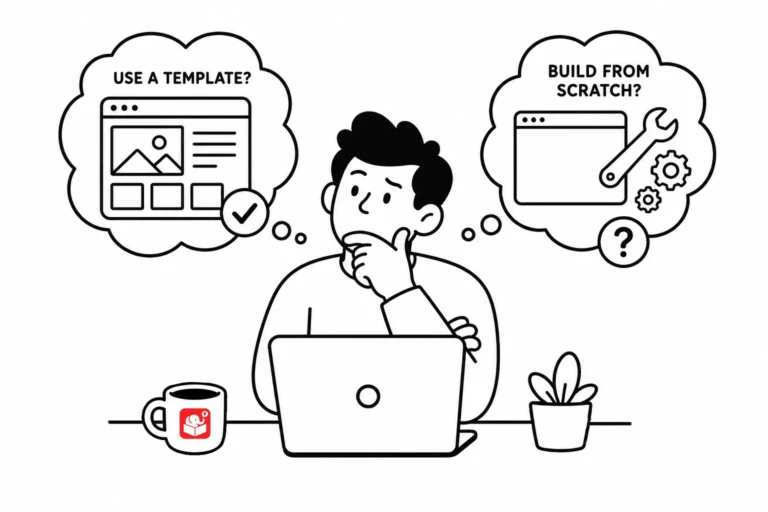
Every e-learning team eventually debates templates: are they a time-saver or a constraint? The answer is both, depending on where you use them. A smarter approach treats templates as tools for specific parts of the course, not a rigid structure for everything.
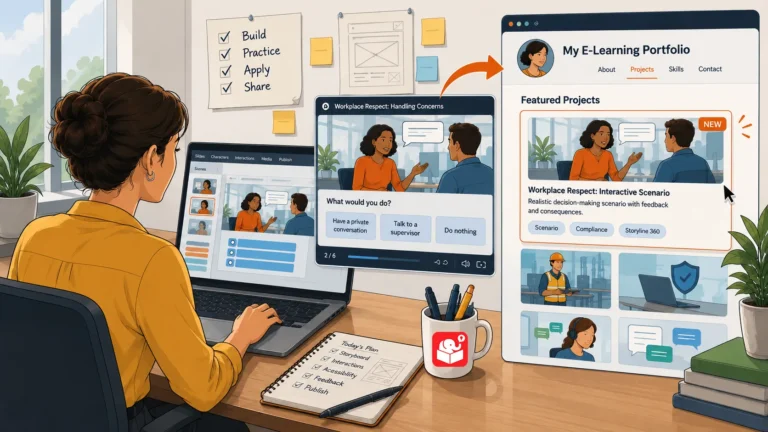
A portfolio does more than show off your work — it actively builds your skills. This post walks through how to use yours as a learning tool, a skills gap tracker, and a record of your growth as an instructional designer.

Download 19 free Muslim women characters.
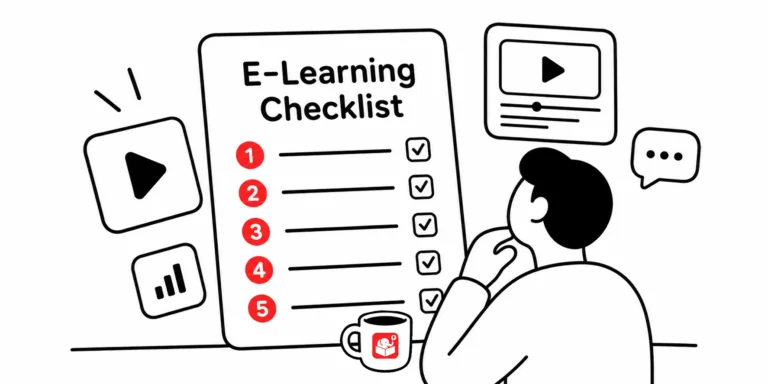
Launching an e-learning course without a review is like sending an email before you proofread it. Something will be off, and someone else will find it first. This checklist walks you through the ten areas to check before your course goes live.
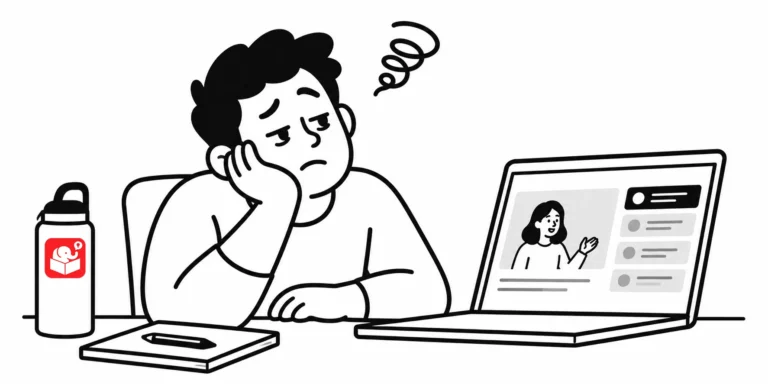
A course feels boring when learners can't see how it connects to their daily work. That disconnect is a design problem, not a content problem. The fix is building courses around what learners actually do, not just what they need to know.