Physical Address
304 North Cardinal St.
Dorchester Center, MA 02124
Physical Address
304 North Cardinal St.
Dorchester Center, MA 02124
Helpful ideas. Squeaky value.
Helpful ideas. Squeaky value.
Guidance on running e-learning projects — planning, scheduling, budgeting, and keeping things moving with clients and teams.

Strong e-learning careers are built on more than technical skill. The designers who last manage expectations, stay goal-focused, and tell the story of their work. Start with one or two of these habits and build from there.
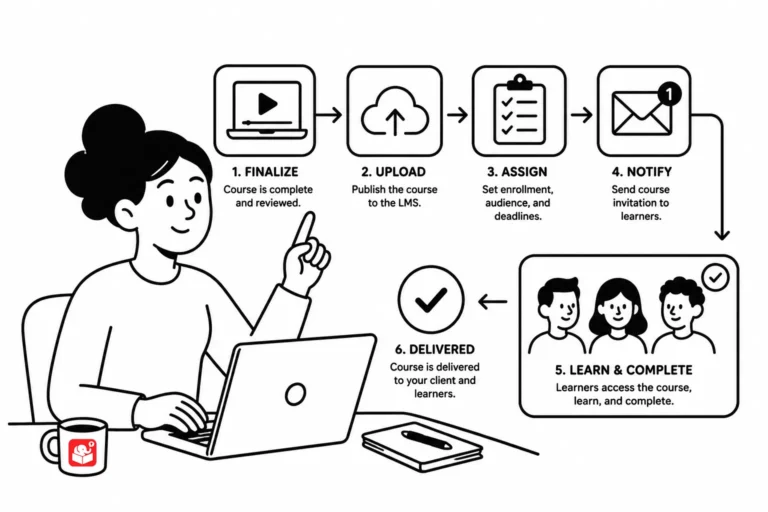
The client approved the course, and it's ready to upload. But who's distributing it, who's checking if it works, and who's keeping it current six months from now? These questions are easier to answer before launch than after.
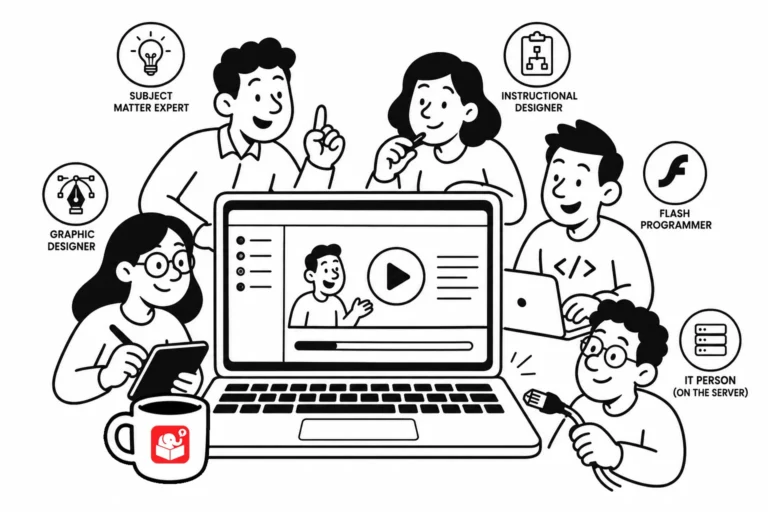
Great e-learning doesn't happen in a vacuum. Even the most independent developer relies on a network of people to deliver a course that works. Here's a breakdown of who those people are and what they each bring to the project.
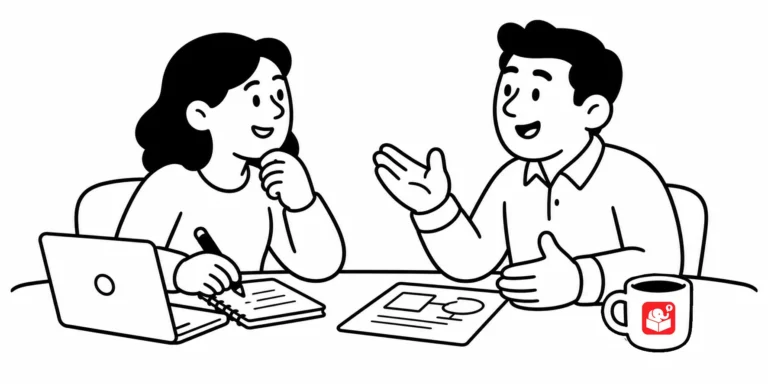
Most course developers struggle to get what they need from subject matter experts. It's not a content problem — it's a relationship problem. Here's how to fix it before the project goes sideways.
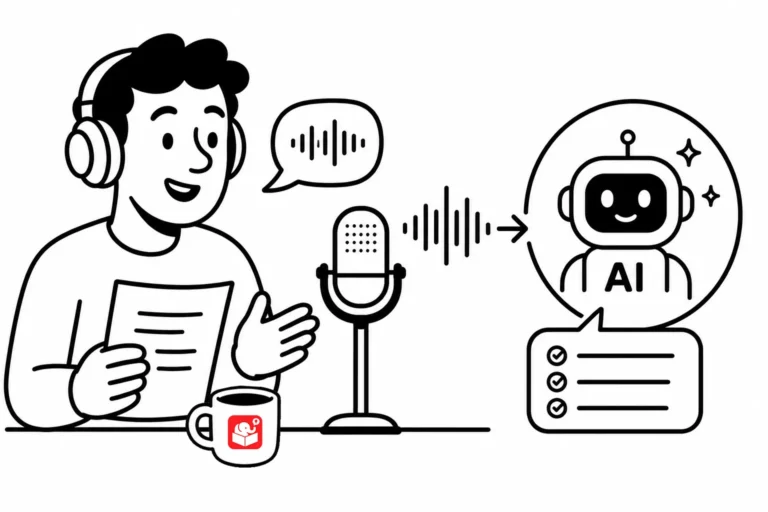
AI voices have gotten so good that most course developers skip the debate entirely and just use them. But there are still situations where a real human narrator is worth the cost. Here's how to think through the decision.
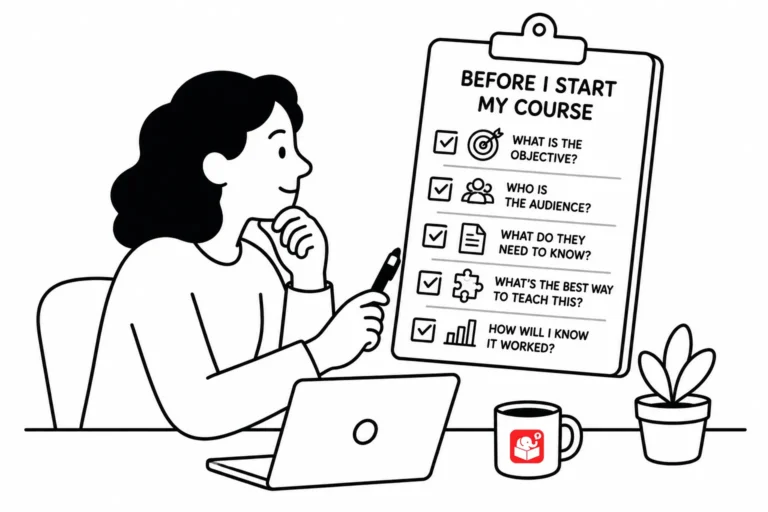
Before you build anything, there are a handful of questions worth asking. Getting clear on them upfront saves a lot of rework later.
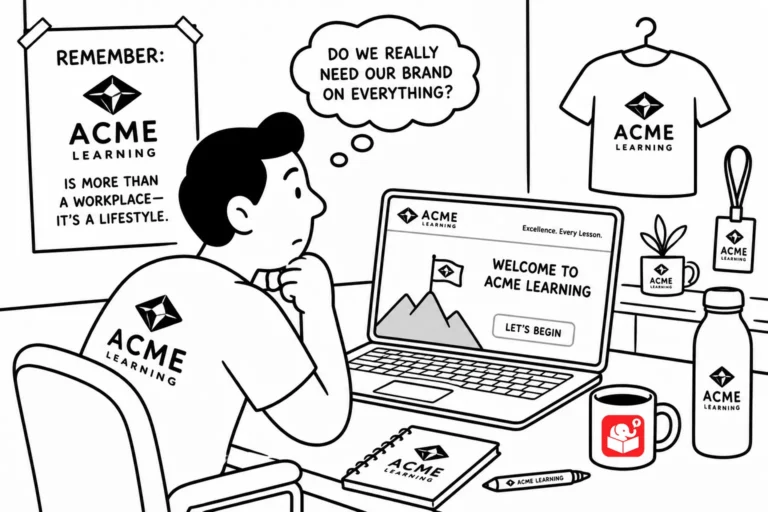
Every e-learning team gets the request: add our logo and brand colors to every screen. But does it help learners learn? Here's a quick case for questioning how much branding actually belongs in a course.

I've noticed that most e-learning project headaches come from the same place: unclear communication. The fix is simpler than you'd expect. It starts with how you write emails.
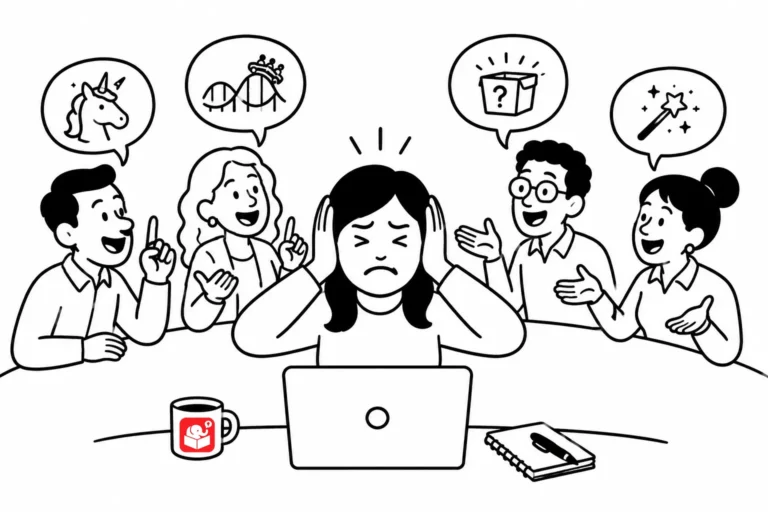
There are certain phrases that make any experienced instructional designer pause. They usually signal scope creep, unrealistic timelines, or a misunderstanding of what learning design actually involves. Recognizing them early is half the battle.
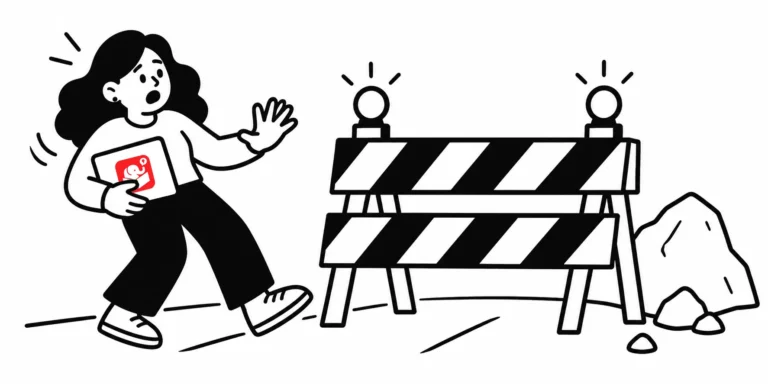
Vague objectives, sloppy file management, and no clear content owner: these three roadblocks slow down almost every elearning project. Here's how to sidestep each one.
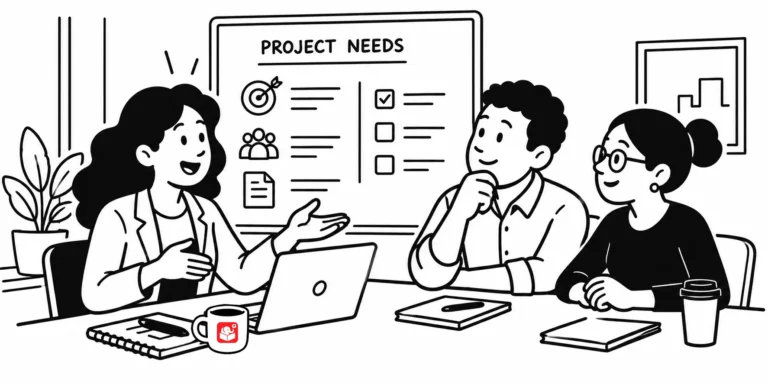
Why good courses fail for the wrong reasons Here’s a problem I’ve run into quite a few times. I spend three months working on a project. Right before it goes live, the proud customer invites her boss to look at…
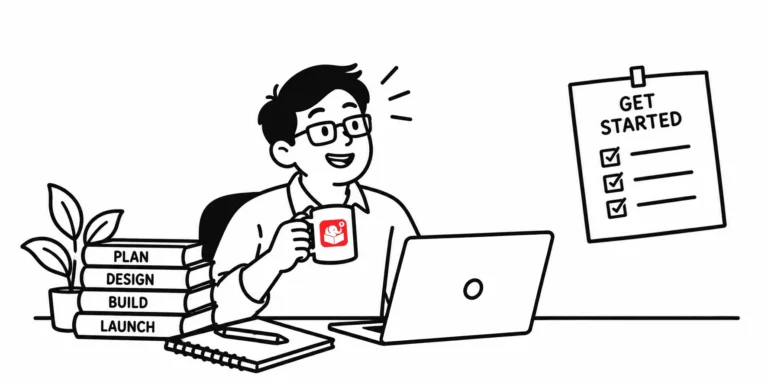
Most organizations starting an e-learning program jump to course-building before they've answered the harder questions. What type of course are you making? What outcome are you targeting, and does it matter to the learner taking it?

Your organization is investing in e-learning. At some point, someone will ask if it's worth the cost. Three concrete measures help you answer that question before it becomes a problem.

A course built entirely from a client's content and a subject matter expert's input is missing a perspective. Here's how interviewing learners, observing them at work, and piloting prototypes can close that gap.
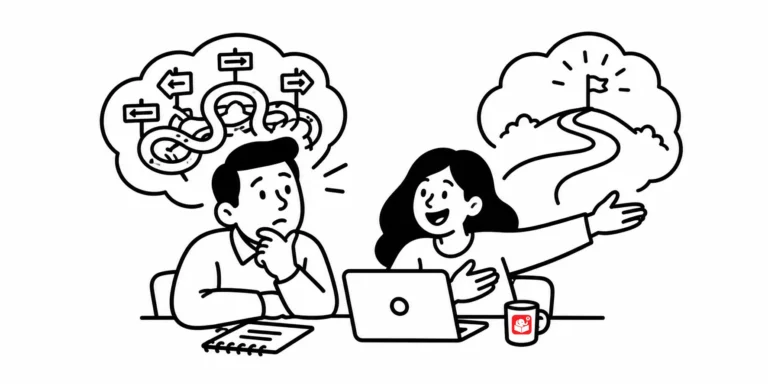
Every e-learning designer eventually gets a request that's headed in the wrong direction. Saying nothing is the easy choice, but it's rarely the right one. Here's how to handle that tension and come out with a better course.